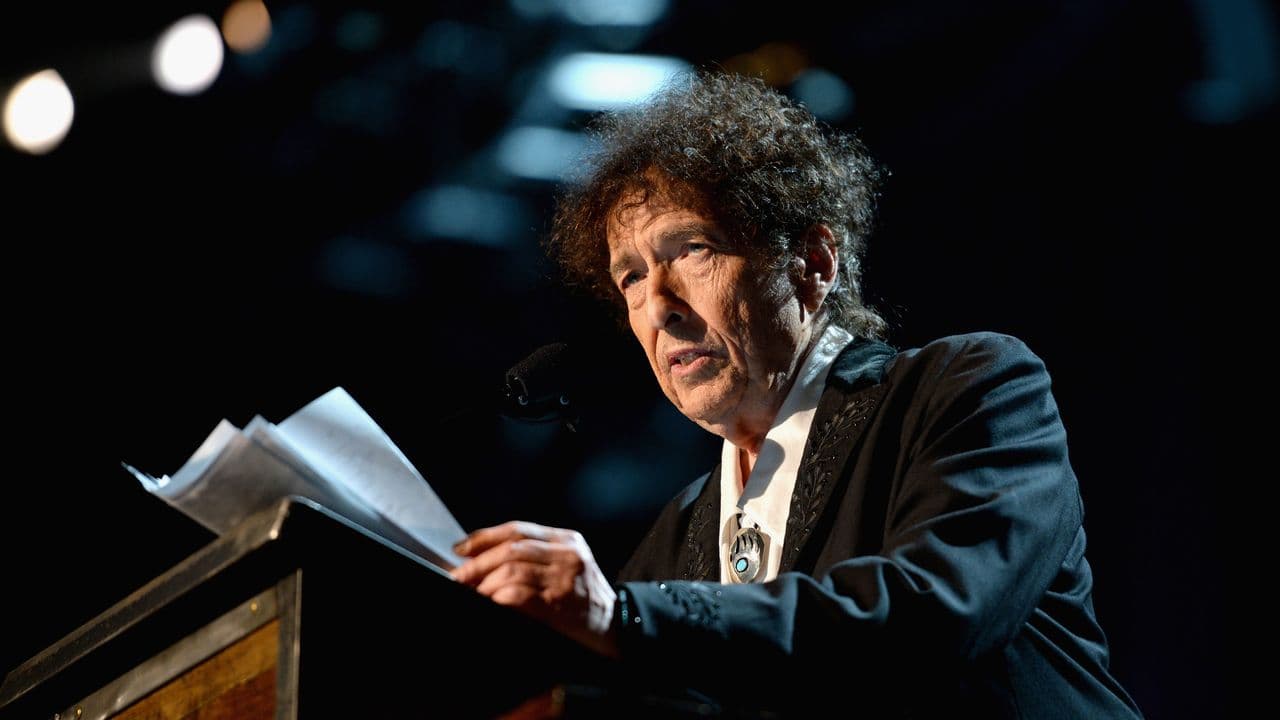
Scroll through your social media feed long enough and you'll probably stumble across a sharply dressed, suspiciously smooth-talking relationship expert holding court on a podcast set, dispensing confident advice about how women should act to keep their partners happy. The lighting is perfect. The delivery is flawless. And the host? Completely artificial.
According to a report by Wired, AI-generated podcast personas are racking up millions of views across platforms by leaning hard into traditional gender tropes - think tips on being more agreeable, deferring to your partner, or making yourself more appealing to men. It's advice that would feel at home in a 1950s housekeeping manual, now dressed up in the aesthetic of a modern self-improvement podcast.
The formula is working, annoyingly well
What makes this trend genuinely fascinating - and a little unsettling - is how well it performs. These videos are engineered to trigger engagement. The content is provocative enough to make people share, argue in the comments, or quote-post in disbelief. Every reaction, even the outraged ones, feeds the algorithm. The relationship guru aesthetic lends the whole thing an air of credibility that more obviously absurd content wouldn't have.
These aren't just random deepfakes floating around the internet for fun, either. Wired's reporting reveals there's a real business model underneath the surface. The AI influencer personas are linked to schools and courses that teach people how to build their own AI influencer operations. So the fake podcast guru isn't just spreading retrograde relationship advice - it's also a live advertisement for a paid course on how to create more fake podcast gurus. It's a content ouroboros with a price tag attached.
Why the relationship niche specifically?
It's worth asking why this particular corner of content is where AI influencers seem to be planting their flag. Relationship advice has always been a high-traffic, emotionally charged space online - people are genuinely looking for answers, validation, or reassurance. That makes it ripe for content that feels helpful on the surface while actually just confirming existing biases or anxieties.
Gender trope content also travels well because it provokes strong reactions across the political spectrum. People who agree share it approvingly. People who disagree share it furiously. The algorithm doesn't distinguish between the two - a share is a share.
What it means for how we consume content
This trend is a pretty sharp reminder that the line between real and synthetic creators is getting harder to spot, and that authenticity - or at least the performance of it - is no longer a guarantee that a human is behind the camera. A polished aesthetic and a confident delivery used to be signals we could roughly trust. Now they're easily replicated.
It also raises questions about platform responsibility. Millions of views means millions of people potentially absorbing content that reinforces limiting ideas about gender roles, with no disclosure that the "host" doesn't exist. That's not a niche problem - it's a mainstream one.
For anyone trying to navigate the internet thoughtfully, it's worth applying a bit more skepticism to that perfectly produced relationship podcast clip next time it shows up in your feed. Ask yourself: who is this person, really? What are they actually selling? And if the answer is unclear - or if a quick search turns up nothing - that polish might be hiding something a lot more artificial than it looks.